




























The Lighthouse Difference

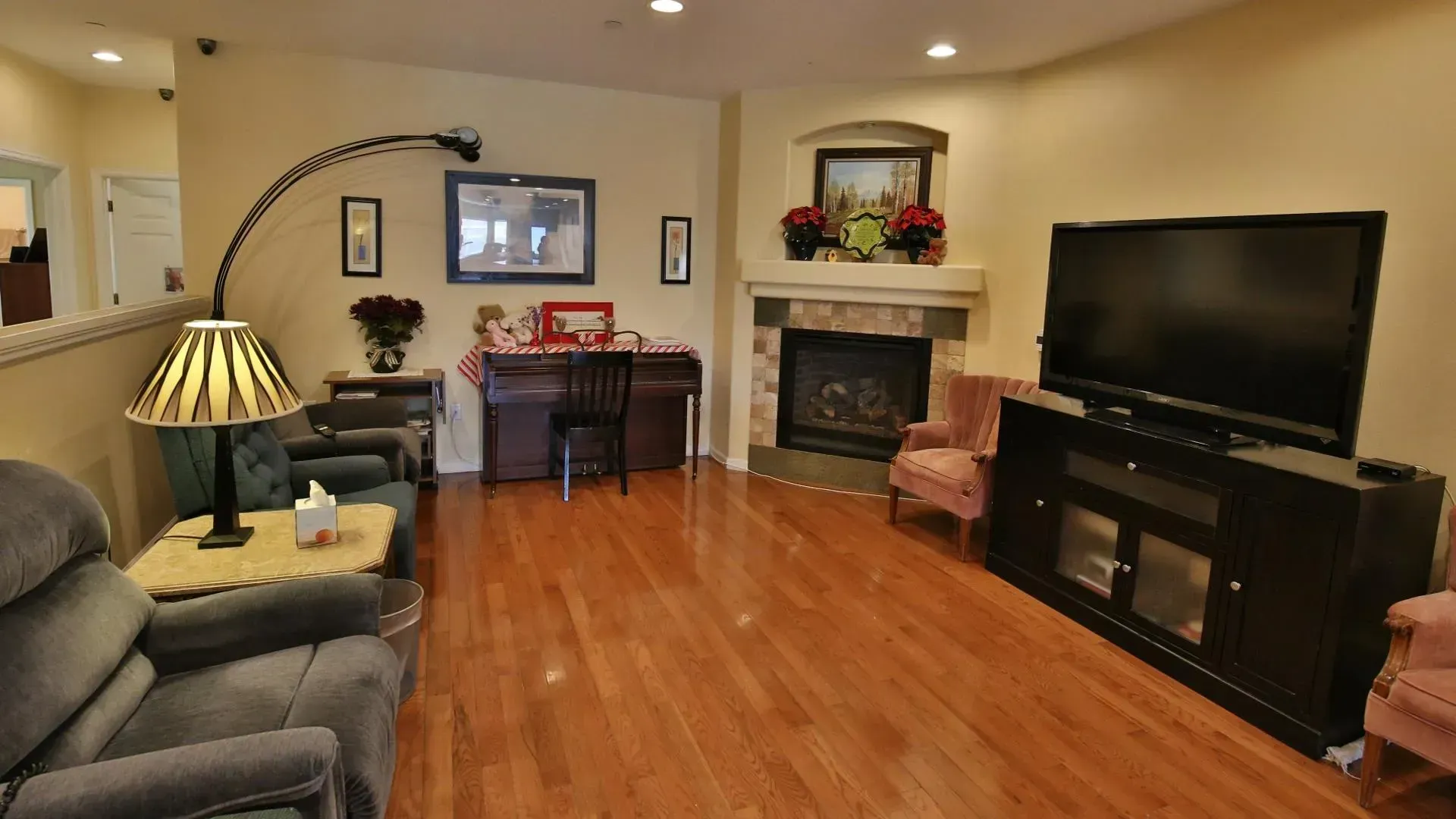
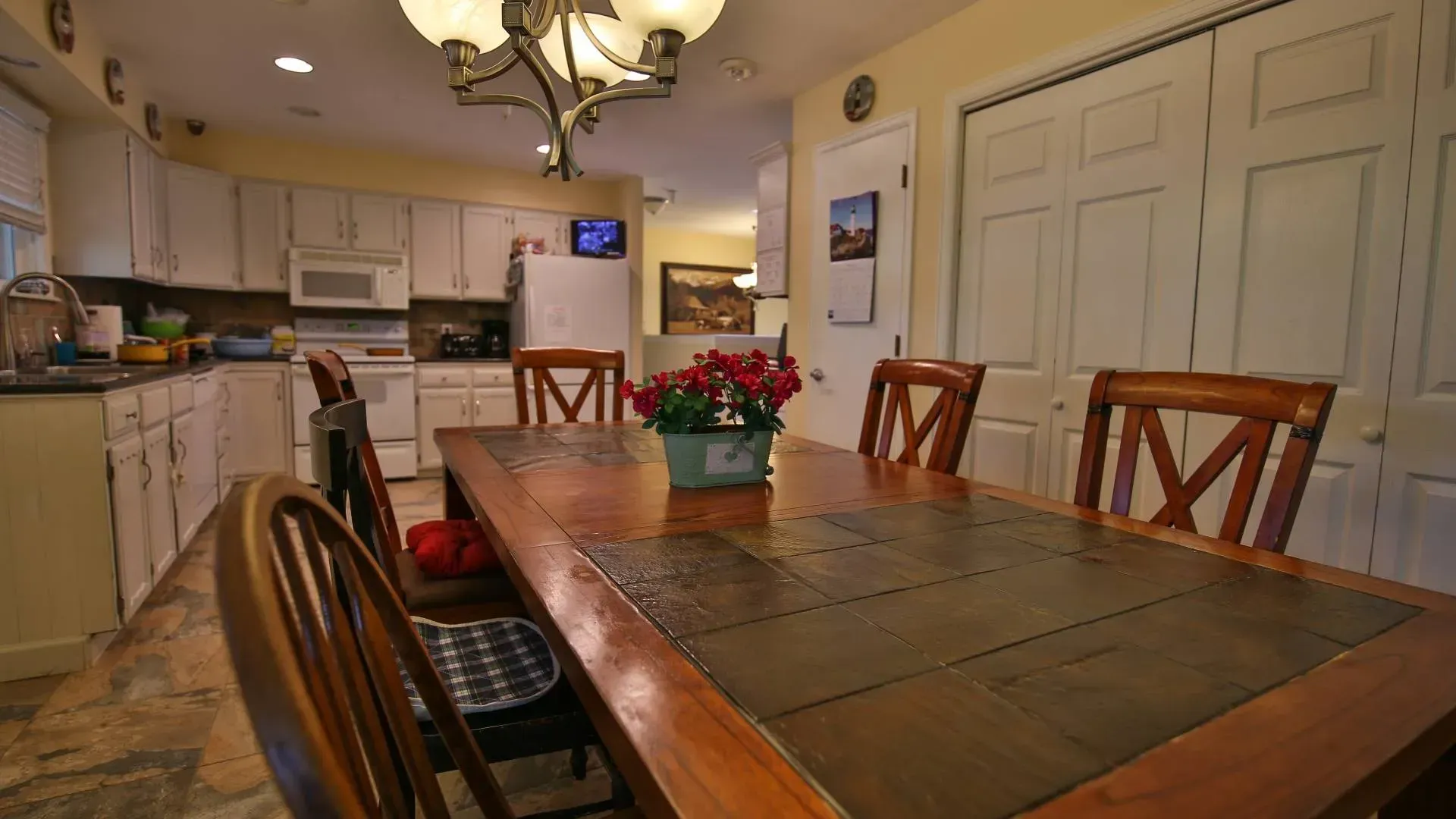
At Lighthouse Assisted Living, we believe every resident deserves to feel truly at home.


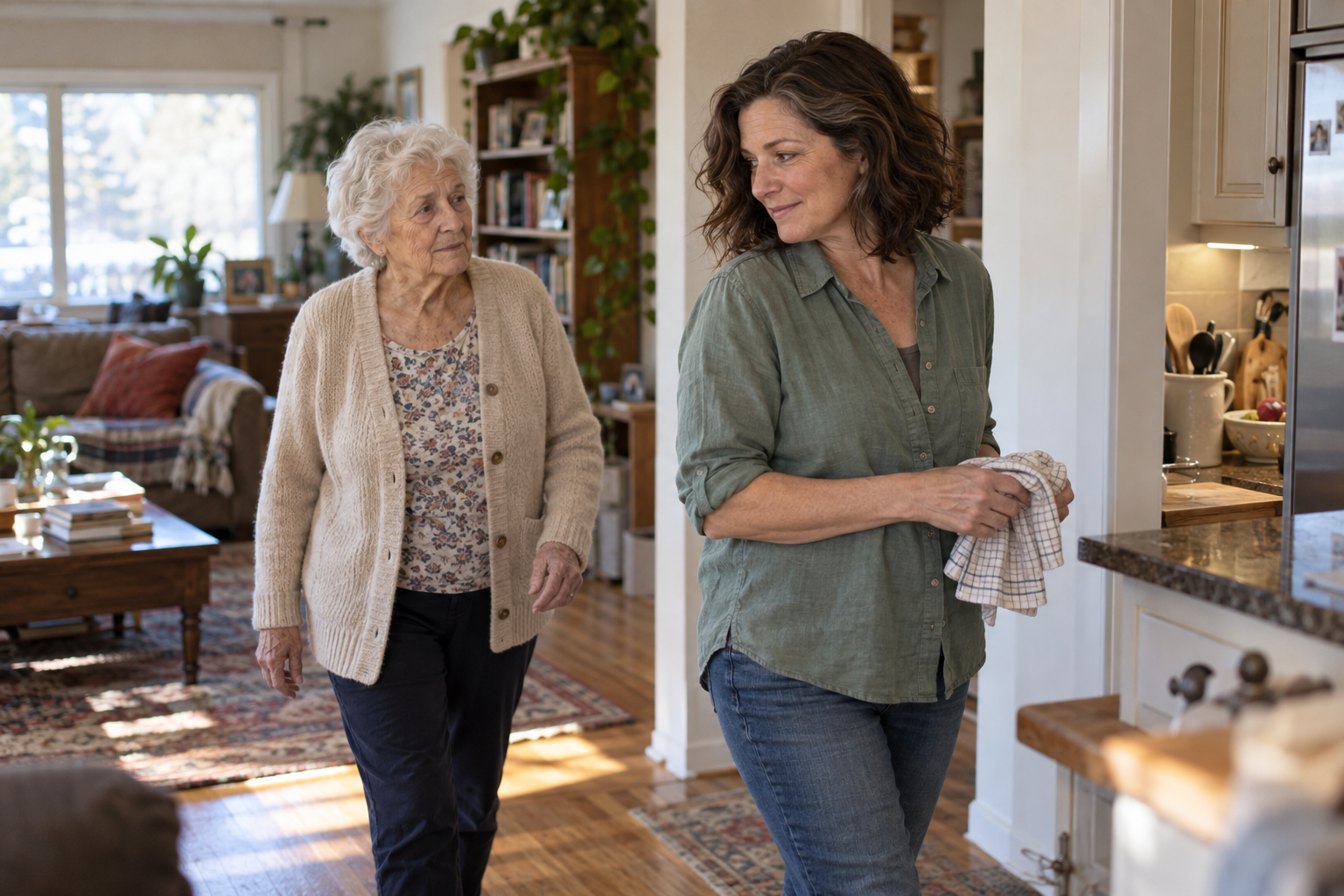
In our warm, home-like setting, we take the time to know each individual—their story, their needs, and what brings them comfort. With personalized support and compassionate care, we help each person feel safe, respected, and genuinely cared for.

Elderly couple smiling, embracing, with the woman's arms around the man, against a white background.

Find Care for Your Loved One

About Lighthouse

Assisted Living Services

Locations

Expertise.com award: Best Assisted Living Facilities in Centennial, 2022. Turquoise laurel wreath with a logo.

Lighthouse Assisted Living

In a small home-like environment, we believe that seniors receive more one-on-one care and attention while avoiding an institutional setting in a more cost effective manner. This allows people to improve their quality of life and often times thrive as they progress in the aging process. We also believe that people are most comfortable staying in their home as their body continues to decline, so we strive to allow our residents to pass away peacefully without a fear of leaving home.

Partners in the Community

Serving your family takes the effort of many. These are some of our key partners.

Alzheimer's Association logo with "memories in the making" in purple text.
Cala logo. Brown mountain peaks over a white house shape, black "CALA" text, and "COLORADO ASSISTED LIVING ASSOCIATION".
Logo for Eden Alternative: black box with green rectangle. "EDEN" text; "ALTERNATIVE®" below.
Logo of Colorado Guardianship Association: Text "CGA," people figures, and a non-profit description.
ACCoA logo: White text "ACCoA" above "Arapahoe County Council on Aging" in gold, on a blue background.
Pink button with white text "VIEW OUR GALLERY" and a small photo of a group of people.

Locations

Centennial

Englewood

Littleton

Our Community

Therapy Horses Provide Comfort

Four people, smiling, posing next to a sign reading

“70 year-old Bradley Powers of Denver, CO served his community as a family practitioner for decades, but if you were to ask him what he is most proud of, he would say it was his time as a Boatswain’s Mate in the Coast Guard.


Brad is a 3rd generation Coast Guardsmen, following in the footsteps of his father and grandfather. As a Boatswain Mate, Bradley was the jack-of-all-trades doing everything from standing watch as a lookout to assisting as a search and rescue swimmer. The memory that sticks out most in Bradley’s mind is the time his ship was hit by a rogue wave that sent him overboard. Luckily, Bradley was saved by one of his shipmates.


Serving in the Coast Guard provided Bradley with so many great memories. Living with dementia, his service is what still sticks in his mind today. As his sister Randi puts it, “There’s so much that he doesn’t remember, but he remembers a lot about his service.” Wish of a Lifetime is happy to be sending Bradley to St. Petersburg on July 31st to visit the USCGS Venturous, which is actually a ship he served on. It should bring back even more memories for Bradley!”

April 23, 2026
When most people think of an infection, they picture obvious symptoms—fever, coughing, pain, or fatigue. But in older adults, infections often appear differently. In some cases, the first signs are subtle changes in mood, energy, appetite, or alertness rather than the symptoms families expect. Because the aging body responds differently to illness, even a mild infection can look unusual at first. A senior may seem more tired than usual, less interested in conversation, slightly confused, or simply “not quite themselves.” Understanding these differences helps families recognize when extra attention may be needed. Why the Body Responds Differently With Age As people age, the immune system often reacts more slowly. This means infections may not always cause a strong fever or dramatic symptoms. Instead, older adults may show quieter signs such as: unusual tiredness reduced appetite increased sleepiness less interest in normal activities slower responses during conversation For families searching for assisted living in Littleton CO , these subtle changes are often the kinds of things they notice first. Confusion Can Sometimes Be an Early Sign One of the most surprising ways infections can appear in seniors is through temporary confusion. A person who normally follows conversation well may suddenly: ask repeated questions seem distracted lose track of simple details appear more forgetful than usual This can happen because even minor infections sometimes affect hydration, circulation, and energy levels more quickly in older adults. Urinary Tract Infections Often Present Differently in Seniors Urinary tract infections (UTIs) are one example families often do not immediately recognize. In younger adults, discomfort or burning may be obvious. In older adults, symptoms may instead appear as: confusion weakness sudden fatigue reduced appetite changes in balance That is one reason caregivers often watch carefully for small daily differences rather than waiting for obvious symptoms. Why Appetite and Hydration Matter During Illness A senior who suddenly eats less or drinks less may not simply be having an off day. Even mild illness can quickly affect: hydration strength alertness blood pressure comfort For seniors living with memory changes, this can become even harder to notice without daily support. Small Changes Often Matter More Than Families Expect Sometimes the earliest signs are easy to dismiss: wanting extra naps speaking less than usual sitting quietly through meals not finishing a favorite snack Individually these may seem minor, but together they often tell a fuller story. Why Residential Assisted Living Helps Catch Small Changes Earlier In a residential setting like Newland House, caregivers see residents throughout the day and notice subtle differences more quickly. That may include: someone quieter at breakfast less steady walking slower answers during conversation less interest in afternoon activities These daily observations help care remain responsive and personal. Memory Care and Illness Can Overlap For seniors living with dementia, infections can sometimes temporarily increase confusion or make daily routines feel harder. This is one reason families exploring memory care in Littleton, Colorado often value settings where caregivers understand how health changes may appear differently in older adults. When Families Should Pay Closer Attention A single tired day is not always concerning. But families may want to ask more questions when changes appear suddenly or continue beyond a day or two. Helpful things to watch for include: unusual sleepiness sudden confusion less appetite new weakness reduced interest in conversation Assisted Living in Littleton That Supports Daily Wellness Families exploring senior care near Jefferson County , assisted living near Southwest Denver , or residential assisted living in Littleton often appreciate environments where daily observation is part of compassionate care. At Lighthouse Assisted Living, everyday routines allow caregivers to notice small changes early while supporting comfort, dignity, and steady wellness. For families wanting to understand how that looks in a residential setting, Newland House offers a helpful example of how attentive daily care supports both comfort and health.
April 14, 2026
Families often notice physical changes first—slower walking, reduced appetite, or more frequent fatigue. But in many cases, one of the earliest signs that extra support may be needed appears in conversation. A parent who once easily followed long discussions may begin losing track mid-sentence, repeating stories more often, or becoming quieter during family visits. These changes can happen gradually, which is why they are often easy to overlook at first. Not every communication change means something serious is happening, but patterns in conversation often give families helpful clues about how daily life is changing. Why Conversation Often Changes With Age As people get older, communication may naturally slow a little. Processing speed can change, hearing may become less sharp, and fatigue may affect how long someone wants to talk. Some normal age-related changes include: taking longer to answer questions pausing more often during conversation needing reminders during long discussions preferring quieter settings for conversation These changes alone are often part of normal aging. When Communication Changes May Suggest More Support Is Needed Sometimes families notice changes that feel different from normal slowing. Examples include: repeating the same story several times in one visit losing track of what was being said answering questions in unrelated ways withdrawing from group conversation seeming overwhelmed by too many voices at once These moments often appear before larger daily care needs become obvious. For families searching for assisted living in Littleton CO , subtle communication changes are often one of the earliest reasons they begin asking whether extra daily support would help. Why Quietness Can Sometimes Be Misread Some older adults simply become quieter because they are tired, hearing less clearly, or choosing words more carefully. Other times, reduced conversation happens because: social situations feel harder to follow memory changes create uncertainty hearing loss causes frustration energy is lower later in the day This is why noticing patterns matters more than isolated moments. How Daily Routine Can Support Better Communication Conversation often becomes easier when daily life feels calm and predictable. Helpful conditions include: regular mealtimes quiet surroundings one-on-one conversation familiar caregivers gentle pacing throughout the day When pressure is reduced, many seniors speak more comfortably and engage more naturally. Communication and Memory Care For seniors living with dementia, communication may change in ways families do not expect. Someone may remember emotions clearly while struggling with recent details. A person may answer warmly but lose track of specific questions. This is one reason families looking for memory care in Littleton, Colorado often value settings where caregivers understand how communication changes without rushing or correcting unnecessarily. How Residential Assisted Living Helps Caregivers Notice Small Changes In a residential setting like Wadsworth House, caregivers spend enough time with residents to notice small shifts in daily conversation. That might include: someone speaking less during breakfast needing more reminders during daily routines pausing more often than usual becoming quieter in the evening These observations help care stay personal and responsive. Why Families Often Notice It During Visits Many families first notice communication changes during ordinary visits: a shorter phone call less detail in conversation more repeated questions longer pauses than usual These moments often lead families to begin thinking differently about support. Assisted Living in Littleton That Supports Everyday Comfort Families exploring residential assisted living in Littleton , senior care near Jefferson County , or memory care near Southwest Denver often want an environment where daily interactions remain calm, patient, and personal. At Lighthouse Assisted Living, daily care is built around relationships, observation, and steady routines that help residents feel comfortable and respected each day For families learning what that looks like in a residential setting, Wadsworth House offers a helpful example of how small daily details—including conversation—can shape quality of life.
April 9, 2026
It is common for families to notice changes in sleep patterns as a loved one ages. A parent who once stayed active throughout the day may begin taking longer naps, resting more often, or seeming unusually tired in the afternoon. While some daytime sleepiness can be a normal part of aging, noticeable changes in sleep habits sometimes raise important questions. For older adults, increased daytime sleep can happen for many reasons, including natural changes in the body, medication adjustments, reduced activity, or underlying health concerns. Understanding what is typical—and when to pay closer attention—can help families feel more confident as they support aging loved ones. Why Sleep Patterns Change With Age As people get older, sleep often becomes lighter and more easily interrupted. Seniors may wake more often during the night, sleep fewer deep hours, or rise earlier than they used to. Because nighttime sleep may feel less restorative, daytime naps often become more frequent. Some older adults simply need more quiet time during the day, especially after meals or activities. A short nap is often normal and can even feel refreshing. Common Reasons Seniors Sleep More During the Day Several everyday factors can contribute to increased daytime sleepiness: medications that cause drowsiness reduced physical activity dehydration poor nighttime sleep changes in appetite low energy related to illness emotional stress or loneliness For families searching for assisted living in Centennial CO , sleep changes are often one of the first signs they notice when daily routines become harder to maintain alone. When Daytime Sleep May Need Closer Attention Sometimes increased sleep is simply part of normal aging. In other situations, it can signal that something else has changed. Families may want to pay closer attention if daytime sleep is accompanied by: reduced appetite new confusion increased weakness withdrawal from conversation difficulty waking changes in mood These changes do not always indicate a serious problem, but they are worth discussing with a healthcare provider when they become noticeable. Why Routine Helps Support Better Sleep Consistent daily structure often helps regulate sleep naturally. Simple routines can support healthier rest: waking at the same time each morning regular meals gentle daytime activity natural sunlight exposure limiting long late-afternoon naps In residential care settings, these patterns often happen more naturally because the day has gentle rhythm and consistency. Sleep Changes and Memory Care For seniors living with dementia, sleep patterns can shift even more noticeably. Some individuals may become tired during the day but restless in the evening, especially when natural day-night cues become harder to process. This is one reason families searching for memory care in Centennial, Colorado often value environments where daily routines are calm, predictable, and gently guided. How Residential Assisted Living Supports Healthy Daily Rhythms At Maplewood House, daily life is structured in a home-like way that supports both activity and rest without feeling rushed. Meals happen at regular times, caregivers help residents stay engaged during the day, and quiet periods are balanced with conversation, music, and simple daily routines. That balance often helps residents feel more comfortable throughout the day and sleep more naturally at night. When Families Begin Looking More Closely at Daily Patterns Often, sleep changes lead families to notice other small changes too: meals being skipped less interest in hobbies lower energy for personal care more time spent sitting quietly These moments often begin important conversations about support, safety, and daily comfort. For families exploring senior care near Greenwood Village , assisted living near Southglenn , or residential assisted living in Centennial , understanding these small patterns often helps guide the next step. A Gentle Reminder for Families Not every nap is a concern. Many older adults simply move at a slower pace and benefit from more rest. What matters most is whether sleep changes happen suddenly, increase significantly, or come with other noticeable differences in health or mood At Lighthouse Assisted Living, daily routines are designed to support comfort, dignity, and healthy rhythms in ways that feel natural and personal.
April 1, 2026
While assisted living families often focus first on meals, medication support, and safety, daily access to gentle outdoor time can also play an important role in healthy aging. At Lighthouse Assisted Living, simple moments outside are often part of a calm daily rhythm that helps residents stay connected to their surroundings and enjoy familiar comforts. Why Sunlight Matters for Seniors Natural daylight helps regulate the body’s internal clock. For older adults, especially those experiencing dementia, regular exposure to morning or afternoon sunlight can help support healthier sleep patterns. Benefits of sunlight often include: Better daytime alertness Improved nighttime sleep Support for natural circadian rhythms Increased vitamin D exposure Reduced feelings of restlessness For seniors living with memory loss, day and evening confusion can sometimes become more noticeable when natural light exposure is limited. A short period outdoors often helps reinforce daily orientation. Outdoor Time Can Improve Mood and Reduce Stress Many seniors experience emotional benefits simply by sitting outside in a peaceful setting. Even gentle activities such as: enjoying morning coffee outdoors sitting near flowers or greenery listening to birds feeling fresh air watching neighborhood activity can create calm and improve overall mood. For residents receiving memory care in Centennial, Colorado , familiar outdoor experiences often become grounding parts of the day. Gentle Movement Outdoors Supports Mobility Outdoor time also naturally encourages light physical movement. This may include: short assisted walks standing stretches walking to a patio gardening with support sitting upright in fresh air Even limited movement helps maintain circulation, joint comfort, and balance. For families searching for assisted living in Centennial CO , these small daily opportunities often matter as much as formal exercise. Why Outdoor Familiarity Helps Seniors Living with Dementia For individuals living with Alzheimer’s or dementia, sensory familiarity can be especially calming. The feel of sunlight, the scent of fresh air, and seeing familiar outdoor spaces often create emotional reassurance without requiring conversation or structured activity. This is one reason many families exploring dementia care near Greenwood Village or memory care near Southglenn look closely at how outdoor access is built into daily care. Residential Assisted Living Makes Outdoor Time Feel Natural In a residential assisted living setting, outdoor spaces are often easier to enjoy because they are close, familiar, and part of the home environment. At Irwin House, simple outdoor moments can happen naturally throughout the day rather than feeling scheduled or institutional. Whether sitting on a patio, enjoying fresh air between meals, or sharing conversation outdoors, these small moments often support both comfort and connection. Outdoor Time Supports the Whole Day Families are often surprised by how one quiet outdoor moment can improve the rest of the day: calmer afternoons easier meals improved evening rest reduced agitation more engagement with caregivers These benefits are often subtle, but over time they become meaningful parts of daily well-being. Assisted Living in Centennial That Feels Calm and Personal Families exploring residential assisted living in Centennial , senior care near Arapahoe County , or Alzheimer’s care in South Denver often value environments where comfort comes from simple, consistent daily experiences. At Lighthouse Assisted Living, outdoor moments are part of the larger goal: creating a home-like setting where residents feel secure, respected, and gently engaged each day. For families wanting to explore what that looks like in a residential setting, Irwin House offers a helpful example of how calm surroundings and thoughtful care work together.
March 28, 2026
For seniors living with dementia, the world can sometimes feel unpredictable. Small changes that may seem minor to others—different meal times, unfamiliar faces, changes in lighting, or unexpected noise—can create confusion or anxiety. That is why familiar daily routines are such an important part of quality dementia care. In memory care, consistency often helps residents feel secure. Knowing what comes next in the day can reduce stress and create comfort, especially for individuals experiencing short-term memory loss or changes in cognitive processing. At Lighthouse Assisted Living, routines are not treated as rigid schedules—they are gentle patterns that help each resident feel at home, supported, and connected. Why Routine Supports Emotional Well-Being in Dementia Care People living with dementia often respond better to environments where daily life feels familiar. Repetition can create emotional reassurance, even when short-term memory is affected. Simple daily patterns often support: Reduced anxiety and agitation Better participation during meals Improved sleep patterns Easier transitions between activities Greater comfort with caregivers A familiar morning routine, for example, can help residents begin the day calmly. Sitting in the same dining space, hearing familiar voices, and following predictable steps often creates a sense of stability. Familiar Moments Often Matter More Than Structured Activities In dementia care, meaningful engagement does not always come from large events or complicated schedules. Often, the most comforting parts of the day are ordinary moments repeated consistently. Examples include: Morning coffee at the same time each day Listening to favorite music after lunch Folding towels with a caregiver Sitting outdoors in the afternoon sun Watching a familiar television program Gentle conversation during evening quiet time These repeated moments often help residents feel grounded. How Residential Assisted Living Naturally Encourages Routine A residential assisted living environment often makes routine feel more natural because daily life happens in a home-like setting rather than a large institutional space. At homes like Elizabeth House, meals are shared in a family-style setting, caregivers remain familiar, and the pace of the day can be adjusted to individual comfort. For many families searching for memory care in Cen tenn ial, Colorado , this home environment becomes an important part of emotional well-being. Residents often benefit from seeing the same caregivers, hearing familiar voices, and participating in everyday routines that feel natural rather than scheduled. Why Familiar Caregivers Also Matter Routine is not only about timing—it is also about relationships. When seniors regularly interact with the same caregivers, trust develops more easily. Familiar caregivers often learn subtle preferences: How someone likes their breakfast Which music helps them relax When they feel most social Which daily habits bring comfort This personal knowledge becomes especially valuable in Alzheimer’s care in Centennial and throughout the South Denver area. Supporting Families During the Dementia Journey Families often notice that their loved one becomes calmer when daily life feels predictable. Even during visits, keeping routines familiar can help: Visit during the same time of day Bring familiar photos Share favorite snacks Sit in the same comfortable area Talk about familiar memories Small consistency often creates stronger comfort than long conversations. Dementia Care in Centennial, Colorado Families searching for assisted living in Centennial CO , dementia care near Greenwood Village , or memory care near Southglenn often look for more than medical support—they want an environment where daily life feels peaceful and reassuring. At Lighthouse Assisted Living, routines are part of how residents are cared for with dignity, patience, and warmth every day. For families exploring what daily life looks like in a residential setting, Elizabeth House offers a helpful example of how consistency and personal attention can support comfort throughout every stage of memory care.
March 27, 2026
When families begin searching for memory care in Centennial, Colora d o , they often focus first on medical needs, safety features, and staffing. Those are important priorities—but there is another factor that often has a powerful effect on daily wellbeing: familiar surroundings . For seniors living with dementia or Alzheimer’s, a care environment that feels calm, recognizable, and connected to familiar routines can make the transition into memory care much gentler. In many cases, the neighborhood itself becomes part of what helps a resident feel secure. Familiar Places Can Create Emotional Comfort Even when memory changes affect names, dates, or recent conversations, many seniors continue to respond positively to environments that feel known. This can include: quiet residential streets mature trees outside a window nearby churches familiar neighborhood sounds local traffic patterns regular family driving routes A familiar setting often reduces the sense of disruption that can happen during a move. Families researching dementia care in Centennial CO often notice that a home located in an established neighborhood feels less overwhelming than a large unfamiliar campus. Memory Care Feels Easier When Family Visits Stay Simple One practical reason neighborhood location matters is that families are more likely to visit often when care is nearby. When a memory care home is close to: Southglenn Cherry Knolls Foxridge Arapahoe Road corridors Littleton border neighborhoods it becomes easier to stop by after work, before dinner, or during regular errands. Frequent short visits often help seniors more than occasional long visits because they reinforce consistency and connection. This is especially important for residents adjusting to memory care during the first few months. Familiar Neighborhoods Support Daily Calm Seniors living with memory loss often respond strongly to routine. A peaceful residential setting can support that routine by limiting overstimulation. Compared with larger environments, smaller neighborhood homes often provide: quieter mornings easier transitions between activities less hallway noise fewer unfamiliar faces more predictable daily rhythms That predictability can improve both comfort and confidence. Families searching for residential memory care near Southglenn often discover that the overall environment affects wellbeing just as much as the care plan itself. Local Connection Helps Preserve Identity For many seniors, remaining near familiar parts of Centennial helps maintain emotional connection to lifelong routines. Passing familiar intersections, hearing neighborhood sounds, or recognizing nearby landmarks can offer reassurance even when verbal memory becomes more difficult. That is one reason some families prefer smaller homes located inside established neighborhoods rather than large institutional campuses. A Home-Like Setting Can Ease the Transition into Memory Care Moving into memory care is a major emotional step for families. The setting often shapes how comfortable that transition feels. For families considering local options, Steele House in Centennial offers a residential care environment within an established Centennial neighborhood, where individualized support and a home-like atmosphere remain central to daily life. A smaller home often helps residents settle more naturally because routines feel personal rather than clinical. Choosing Memory Care Is About More Than Clinical Support Medical care matters, but comfort matters too. The right environment often includes: trusted caregivers peaceful daily routines familiar surroundings consistent family connection opportunities for conversation and engagement When these pieces come together, seniors often feel more secure and families feel more confident in the care decision.
Show More

Our Reviews